
CEUs – Continuing Education Units
Below, please find an archive of events with active CEUs at New England Botanic Garden. CEUs will expire a year from when the event occurred.
Learn about current and upcoming Symposia & Conferences here.
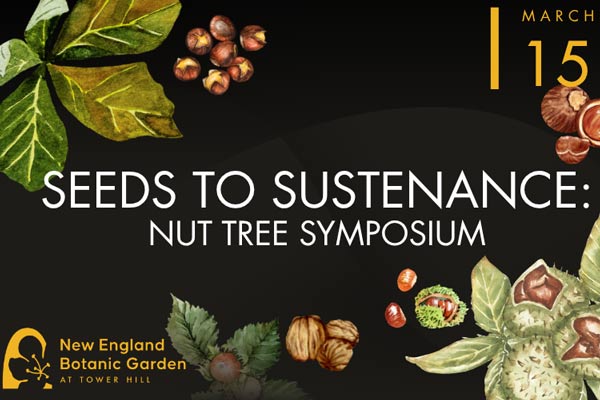
Nut Tree Symposium
Sunday, March 15, 2026 | 9 AM–4:30 PM
Join us for our inaugural full-day symposium to explore the ecological, cultural and culinary value of nut trees in the Northeast – centered around American chestnut restoration initiatives taking root at the Garden and expanding into broader themes of agroforestry, food system sustainability, and climate resilience – it is going to be nuts!
8:00 AM
Registration and Refreshments
9:00 AM
Welcome and Introductions
9:30 – 10:20 AM
People of the Hazel: Recollecting ancestral roots in perennial culture
Seva and Kalyan Water, Nutwood Farm, Cummington MA
10:30 – 11:20 AM
From Seeds to Sustenance—Agroforestry and Cultivating Nut Trees for a Resilient Future
Jono Neiger, Big River Chestnuts, Sunderland, MA
11:45 AM – 12:20 PM
Natural Botanical Dyeing Derived from Nuts, Bark, and Trees
Liz Ives, Textile Artist and Educator
12:30 – 1:20 PM
LUNCH
1:30 – 2:20 PM
Return of the Chestnut Tree: NEBG’s Endeavor to Restore a Valued Species
Robert Graham, Land Steward Supervisor, New England Botanic Garden
2:30 – 3:20 PM
Walk & Tour: The Chestnut Tree Project
Lois and Denis Melican, Volunteers – American Chestnut Cooperators’ Foundation (ACCF)
Robert Graham, Land Steward Supervisor, New England Botanic Garden
3:30 – 4:30 PM
Networking and Garden exploration
5:00 PM
GARDEN CLOSES
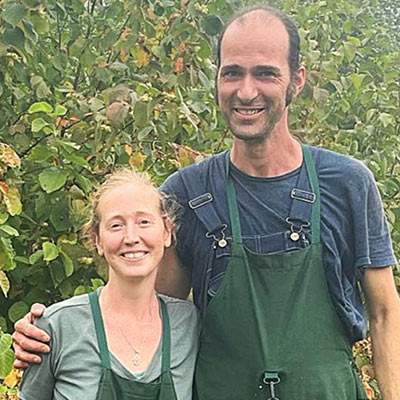 Seva and Kalyan Water
Nutwood Farm, Cummington MA
Seva and Kalyan Water own Nutwood Farm, a small agroforestry farm growing hybrid hazelnuts, chestnuts, and other perennial edible tree crops on unceded land of the living Mohican Nation. Lecture: People of the Hazel: Recollecting Ancestral Roots in Perennial Culture.
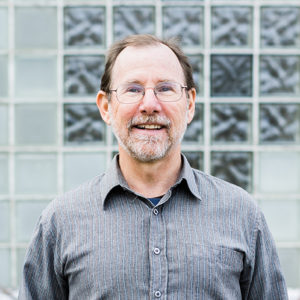 Jono Neiger
Big River Chestnuts, Sunderland, MA
Jono Neiger is the owner of Big River Chestnuts, a chestnut agroforestry farm in Massachusetts, with decades of experience in permaculture and land stewardship. Lecture: From Seeds to Sustenance – Agroforestry and Cultivating Nut Trees for a Resilient Future.
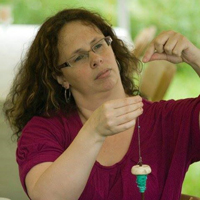 Liz Ives
Textile Artist and Educator
Liz Ives is a textile artist, arts educator, and staff member at NEBG. She focuses her teachings on natural dyes as the intersection between science, ecology, and art. Demonstration: Natural Botanical Dyeing Derived from Nuts, Bark and Trees.
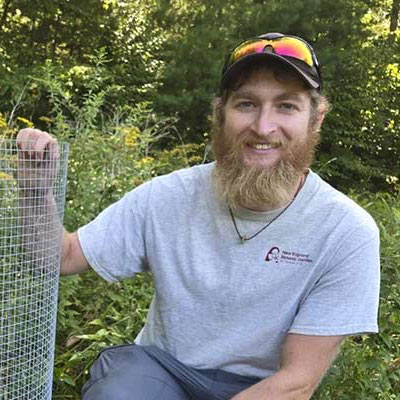 Robert Graham
Land Steward Supervisor, New England Botanic Garden
Robert Graham is the Land Steward Supervisor at New England Botanic Garden, where he oversees the stewardship of both cultivated and natural landscapes. Lecture: Return of the Chestnut Tree: NEBG’s Endeavor to Restore a Valued Species and Tour: The Chestnut Tree Project.
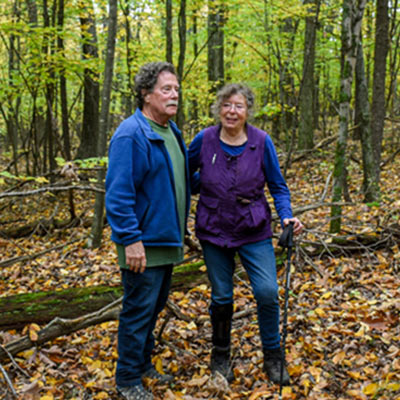 Lois Breault-Melican, and Denis Melican
Volunteers, American Chestnut Cooperators’ Foundation
Lois Breault-Melican and Denis Melican are long-time volunteers and advocates of the American Chestnut Cooperators’ Foundation and have played an important role in regional chestnut restoration efforts. Tour: The Chestnut Tree Project.
ISA – 4.0 CEUs
APLD – 4.5
NOFA OLC – 4.0 CEUs
MCH – 1.0 CEUs
MCA – – 1.0 CEUs
MCLP – 2.0 CEUs
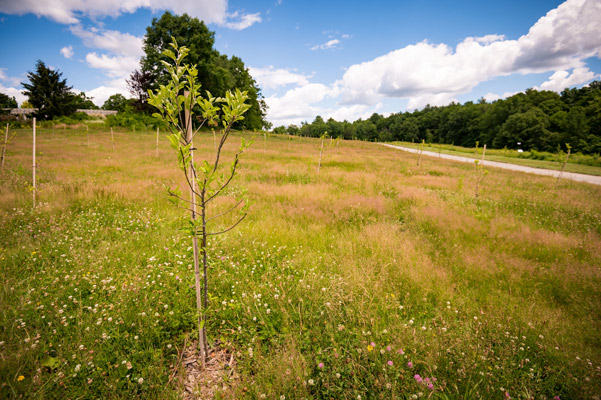
Cultivated: New England Apple Tree Symposium
Saturday, November 15, 9 AM–4 PM | On-Site at New England Botanic Garden
$95 NEBG Member | $114 Non-Member | $99 ELA Member | $65 Student
Sunday, November 16, 10 AM–4 PM | Off-Site Massachusetts Cider House Experience
$68 NEBG Member | $82 Non-Member | $65 Student
Explore the world of heirloom apples during a full day of apple-inspired discovery. Enjoy a behind-the-scenes tour of NEBG’s Frank L. Harrington Orchard, learn how to start and maintain your own home orchard, sample rare and flavorful apple varieties, and dive into the art of cider making on Sunday November 16 with an optional off-site cidery tour. Whether you’re a backyard grower, history buff, or cider enthusiast, there’s something to savor and learn.
8:00–9:30 AM
Registration – Enjoy morning tea, coffee and light bites.
9:00–9:20 AM
Welcome and Introductions
9:30–10:20 AM
Keeping the Orchard Healthy: Tales from the Apple ER
Kari Anne Peter, Associate Research Professor, Tree Fruit Pathology, PennState University
Growing apples in the Eastern U.S. can be challenging, as our environmental conditions favor nearly all diseases. This presentation will provide a brief overview of fungal fruit foes that growers may encounter in the orchard, along with useful tips and tricks to help keep an orchard free from woes.
10:30–11:20 AM
Talk and Tasting: An Infinite Variety of Fruit: Historic New England Apples
Christie J. Higginbottom, Garden Research Historian and Consultant
New England’s apple varieties feature rare cultivars and rich history. Sample rare and unusual apple cultivars with guided commentary, and discover surprising flavors you won’t find in the supermarket
11:30 AM–12:20 PM
The Cider of Things: From Seed to Sip
Steve and Anne Garwood, Ragged Hill Cider
From planting to pouring, cider tells the story of the apple’s full journey. In this session, Steve and Anne Garwood of Ragged Hill Cider explore how growing practices, apple varieties, and fermentation choices shape the character of cider. Blending hands-on experience with heritage and innovation, they reveal how each sip reflects the land, the craft, and the people behind it.
Be sure to also sign up for Sunday’s Farm Tour at Ragged Hill Cider!
12:30–1:20 PM
Lunch – Enjoy delicious locally grown meals from the Farmer & the Fork, or bring your own for a mid-day picnic at the Garden.
1:30–2:45 PM
DNA and Reconstructing the Family Tree of American Apples
Todd Little-Siebold, Faculty of History, College of the Atlantic and John Bunker, Orchardist / Pomologist – Fedco Trees (a division of Fedco Seeds)
Explore how DNA analysis is reshaping our understanding of the ancestry and relationships among American apple varieties. Discover the hidden connections between historic cultivars and modern apples, and learn how genetics is helping historians and horticulturists reconstruct the fascinating family tree of one of America’s favorite fruits.
3:00–3:50 PM
Guided Tour: Frank L. Harrington, Sr. Orchard
Leslie Duthie, NEBG Orchard Volunteer
Join us for an immersive journey through our young heirloom apple orchard, guided by none other than Leslie Duthie – dedicated orchard keeper, passionate horticulture volunteer and the heart and soul of this living collection. Leslie will share her deep knowledge and hands-on experience tending this orchard, offering unique insights into its care and evolution.
Alongside Leslie, you will hear from orchard experts Todd Little-Siebold and John Bunker, who together, bring a rich blend of historical context, apple lore and practical knowledge.
4:00–5:00 PM
Cider & Social
Meet Maine’s “Apple Whisperer,” John Bunker, for apple identification, and visit Skylar Bodeo-Lomicky’s poster on the biochemistry and flavors of heirloom apples. Enjoy cider while exploring rare cultivars and connecting with fellow enthusiasts.
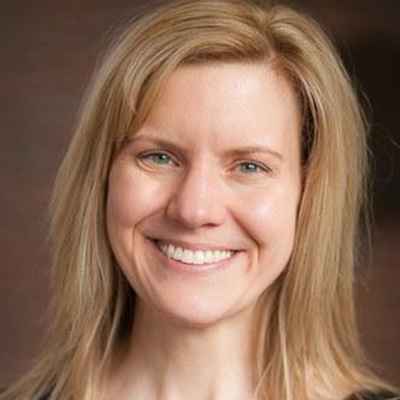 Dr. Kari Anne Peter is a tree fruit pathologist at Penn State University, serving both Pennsylvania and Maryland through the Mid-Atlantic Fruit Consortium. Based at the Fruit Research and Extension Center in Biglerville, PA, she specializes in managing diseases affecting apple and other tree fruits. Her research focuses on integrated disease management, including the development of rapid diagnostic tools for pathogen resistance and strategies to mitigate pre- and post-harvest diseases. Dr. Peter is committed to advancing sustainable orchard practices and enhancing the resilience of fruit crops through applied research and extension education programs.
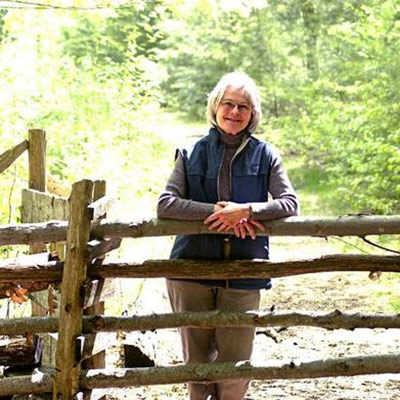 Christie J. Higginbottom brings decades of expertise in historic horticulture and garden interpretation. Since 1981, she has worked as a costumed interpreter at Old Sturbridge Village, where she coordinated the historic horticulture program from 1984 to 2004. Christie writes and consults extensively on historic gardens, antique plants, and traditional herb use, and she teaches widely at museums, historic sites, garden clubs, historical societies, colleges, and libraries including Bay Path Regional Vocational High School, New England Botanic Garden at Tower Hill, and the Northeast Organic Farmers Association.
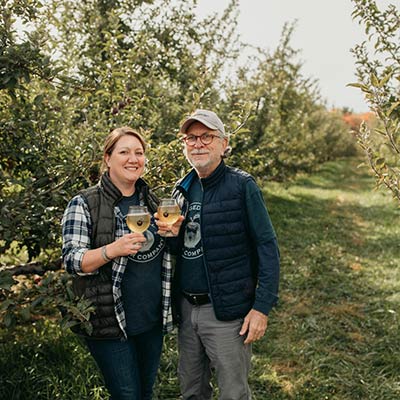 Steve Garwood Co-founder and head cidermaker of Ragged Hill Cider in West Brookfield, MA, Steve Garwood helped transform a former orchard into a thriving cidery rooted in local fruit and sustainable practices. With a background in orchard management and cider production, he oversees every step from planting to pouring. Anne Garwood Hampp Anne Garwood Hampp co-owns Ragged Hill Cider with her father, leading its sales, marketing, and public outreach. After a decade in San Francisco’s hospitality scene, she returned home to help grow the family orchard and craft ciders that reflect the land’s character.
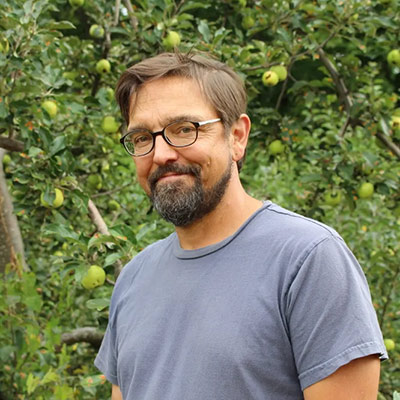 Dr. Todd Little-Siebold is a professor of history at the College of the Atlantic in Bar Harbor, Maine. He earned his B.A. and M.A. in anthropology and history from the University of Massachusetts, Amherst and his Ph.D. in Latin American history from Tulane University. In addition to his academic work, Dr. Little-Siebold has been instrumental in the study and preservation of Maine’s heirloom apple varieties. He leads the COA Maine Apple Lab, which combines historical research with genomic profiling to document and conserve rare apple cultivars. This interdisciplinary approach has led to significant discoveries, including the identification of one of North America’s oldest apple trees.
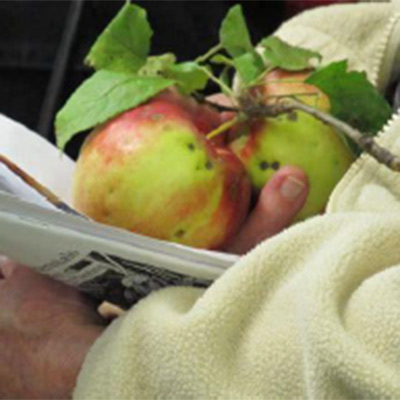 Skylar Bodeo-Lomicky is a Ph.D. candidate at the College of the Atlantic, specializing in the biochemistry of heirloom apples. Her research focuses on understanding how chemical compounds influence the flavor profiles of historic apple cultivars. Through her work, Skylar aims to bridge the gap between scientific analysis and sensory experience, providing insights into the unique tastes of America’s oldest apples. Her studies contribute to the broader field of pomology and offer valuable perspectives on the preservation and appreciation of heirloom fruit varieties.
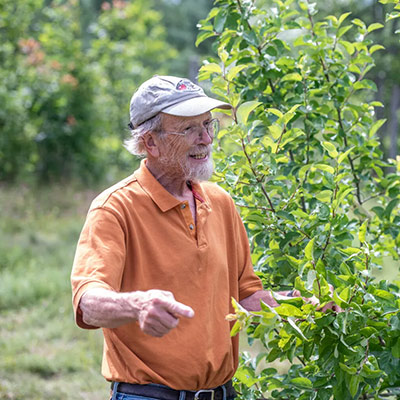 John Bunker is a renowned orchardist, pomologist, and passionate advocate for the preservation of Maine’s apple heritage. A self-taught expert, he has dedicated over 40 years to locating, identifying, and conserving rare and historic apple varieties across the state. In 1984, he co-founded Fedco Trees, a mail-order nursery specializing in heirloom fruit trees. In 2012, Bunker established the Maine Heritage Orchard in Unity, a 10-acre educational orchard dedicated to preserving over 500 apple and pear varieties from all 16 Maine counties. Known as Maine’s “Apple Whisperer,” his work has been instrumental in cataloging and propagating Maine’s diverse apple cultivars.
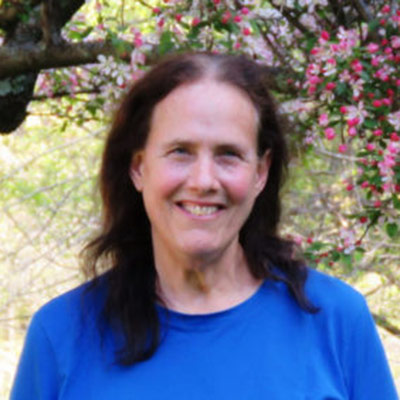 Leslie Duthie is a seasoned ecological horticulturist with over 45 years of experience in native plant cultivation, ecological restoration, and environmental stewardship. At New England Botanic Garden, Leslie plays a crucial role as a volunteer, focusing on the restoration and maintenance of the Frank L. Harrington Sr. Orchard. Her dedication to preserving heirloom apple varieties and ensuring the orchard’s health and sustainability underscores her expertise and passion for ecological horticulture. Leslie also shares her knowledge through educational programs, teaching topics such as native ferns, wildflowers, and seed collection techniques, and actively participates in initiatives aimed at promoting ecological landscaping practices.
International Society of Arboriculture (ISA)
- Certified Arborist – 3.5
Massachusetts Nursery and Landscape Association (MNLA)
- Massachusetts Certified Horticulturist (MCH) – 1.0
Urban Tree Symposium
Friday, February 7, 2025, 9AM–4:30PM
Location: New England Botanic Garden at Tower Hill
New England Botanic Garden at Tower Hill’s annual Urban Tree Symposium is dedicated to exploring the importance of urban forests and ways we can improve our green spaces. The symposium brings together experts in the fields of forestry, horticulture, biology, technology and more. You can expect to hear current and important information that will impact your work in our communities and your own home. This event is co-hosted in partnership with the Ecological Landscape Alliance. CEU’s will be available. View the flyer here.
7:30 – 9:15 AM: Registration and Tea
8:15 – 8:45 AM (30 min): Early Morning Walk and Talk
Hunter Blanchard, Horticulturist I
Georgia Albanese, Land Steward
New England Botanic Garden at Tower Hill
Designing and Maintaining Trees in Urban Landscapes Kick off the day with an insightful walk through the garden led by our horticulturist and natural lands steward. From 8:15 to 8:45 AM, explore how tree design, plantings, and maintenance practices in our display areas can be applied to urban spaces. Gain unique perspectives on creating sustainable and visually striking landscapes from both cultivated and natural land management viewpoints.
9:00 – 9:15 AM: Welcome
9:15 – 10:15 AM (60 min): Rhode Island Urban Forests Technical Assistance Program
Robert “Lou” Allard, Urban and Community Forestry Program Coordinator
Rhode Island Department of Environmental Management
The Rhode Island Division of Forest Environment’s Urban and Community Forestry Program has partnered with the Green Infrastructure Center, a nonprofit organization based in Virginia, to launch a new comprehensive program to support urban forest planning and tree planting efforts within Rhode Island cities and towns. This program, with a focus on implementation within disadvantaged communities (as defined by the US Forest Service’s Climate and Equity Justice Screening Tool), works at both the municipal and community/neighborhood levels to help build urban forestry capacity.
10:15 – 10:30 AM (15 min): Break
10:30 – 11:30 PM (60 min): Understanding our Urban Forests
Richard W. Harper, Professor and Extension Urban Forester
University of Massachusetts Amherst
From climate change to compacted soils to spatial constraints, our urban forests experience a myriad of challenges. This lecture will discuss how our understanding and definition of urban forests has changed over time and will include actionable steps that we can take to foster and promote the health of our urban tree populations.
11:30 – 12:15 PM (45 min): Survival of the Fittest: Tree Health in the Concrete Jungle
Nicholas J. Brazee, Extension Plant Pathologist
University of Massachusetts Amherst
Trees in our urban environments are increasingly recognized for the ecological, sociological and financial benefits they provide. Yet the negative impacts of climate change, introduced insect pests, and a multitude of diseases continues to create significant barriers to sustainable development. This talk will highlight novel pests and pathogens along with climatic stresses that threaten urban tree health and management strategies to combat these issues. Climate change and beech leaf disease will be highlighted as they represent the most significant urban and natural forest health issues. Work aimed at preserving historical and sentinel urban trees will also be discussed. Specifically, the use of non-destructive methods for internal decay detection to refine tree risk assessments.
12:15 – 1:15 PM (60 min): Lunch
12:30 – 1:00 PM (30 min): Worcester Tree Research Summit: Discussions
Engage with local experts in dynamic round-table discussions focused on defining a tree canopy goal for Worcester Massachusetts. Take the opportunity to network over lunch at a dedicated table for enthusiasts and professionals alike to share insights, exchange information, and explore collaborative opportunities in urban forestry.
1:15 PM – 2:00 pm (45 min): Planting Trees of Change: The Return of the Chestnut Tree
Robert Graham, Land Steward
New England Botanic Garden
Join NEBG’s horticulturist and land steward, Robert Graham, as he shares the inspiring story of the American chestnut tree’s revival and its transformative role in our landscapes. Learn about innovative restoration efforts, urban tree management practices, species selection, and the vital impact of underground ecosystems. Gain insights into the ecological significance of this iconic species and explore how planting these trees can foster a more resilient and sustainable future.
2:00 – 3:00 PM (60 min): Advocating for Equity and Community Engagement in Boston’s Urban Forest
David Meshoulam, Co-founder and Executive Director, and MarS McCormick, Associate Director
Speak for Trees Boston
Creating meaningful change through urban forestry initiatives, Speak for the Trees Boston prioritizes equity, access, and community involvement in every aspect of their work. This session will explore their efforts to address environmental inequities by engaging diverse communities, building local partnerships, and enhancing urban green spaces as essential lifelines for city residents. Through innovative programs and advocacy, Speak for the Trees is fostering environmental stewardship, improving quality of life, and shaping a healthier, more sustainable Boston for future generations.
3:00 – 3:15 PM (15 min): Break
3:15 – 4:15 PM (60 min): Exploring Urban Tree Planting: Building Resilient and Equitable Cities through Research and Collaboration
John Rogan and Deborah Martin, Professors of Geography
Clark University
This session delves into urban tree planting efforts in Massachusetts and Rhode Island, highlighting the vital role trees play in enhancing resilience, equity, and livability in urban areas. Drawing from years of collaborative research and on-the-ground initiatives, the talk will explore factors influencing tree health and survivorship, including community engagement, environmental conditions, and stakeholder practices. Attendees will gain insights into challenges, successes, and actionable strategies for fostering green spaces that act as lifelines for cities, improving quality of life and addressing climate impacts.
4:15 – 4:30 PM: Thank You and Event End
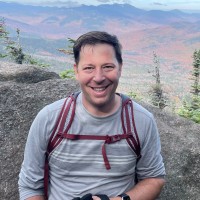
Robert “Lou” Allard, Urban and Community Forestry Program Coordinator
Rhode Island Department of Environmental Management
Rhode Island Urban Forests Technical Assistance Program
The Rhode Island Division of Forest Environment’s Urban and Community Forestry Program has partnered with the Green Infrastructure Center, a nonprofit organization based in Virginia, to launch a new comprehensive program to support urban forest planning and tree planting efforts within Rhode Island cities and towns. This program, with a focus on implementation within disadvantaged communities (as defined by the US Forest Service’s Climate and Equity Justice Screening Tool), works at both the municipal and community/neighborhood levels to help build urban forestry capacity.
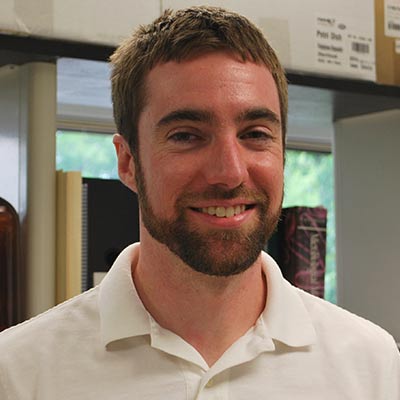 Nicholas Brazee, Extension Plant Pathologist
University of Massachusetts Amherst
Survival of the Fittest: Tree Health in the Concrete Jungle
Trees in our urban environments are increasingly recognized for the ecological, sociological and financial benefits they provide. Yet the negative impacts of climate change, introduced insect pests, and a multitude of diseases continues to create significant barriers to sustainable development. This talk will highlight novel pests and pathogens along with climatic stresses that threaten urban tree health and management strategies to combat these issues. Climate change and beech leaf disease will be highlighted as they represent the most significant urban and natural forest health issues. Work aimed at preserving historical and sentinel urban trees will also be discussed. Specifically, the use of non-destructive methods for internal decay detection to refine tree risk assessments.
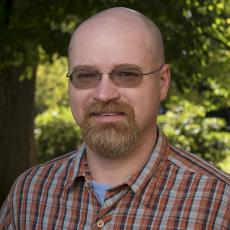
Richard W. Harper, Professor and Extension Urban Forester
University of Massachusetts Amherst
Understanding our Urban Forests
From climate change to compacted soils to spatial constraints, our urban forests experience a myriad of challenges. This lecture will discuss how our understanding and definition of urban forests has changed over time and will include actionable steps that we can take to foster and promote the health of our urban tree populations.
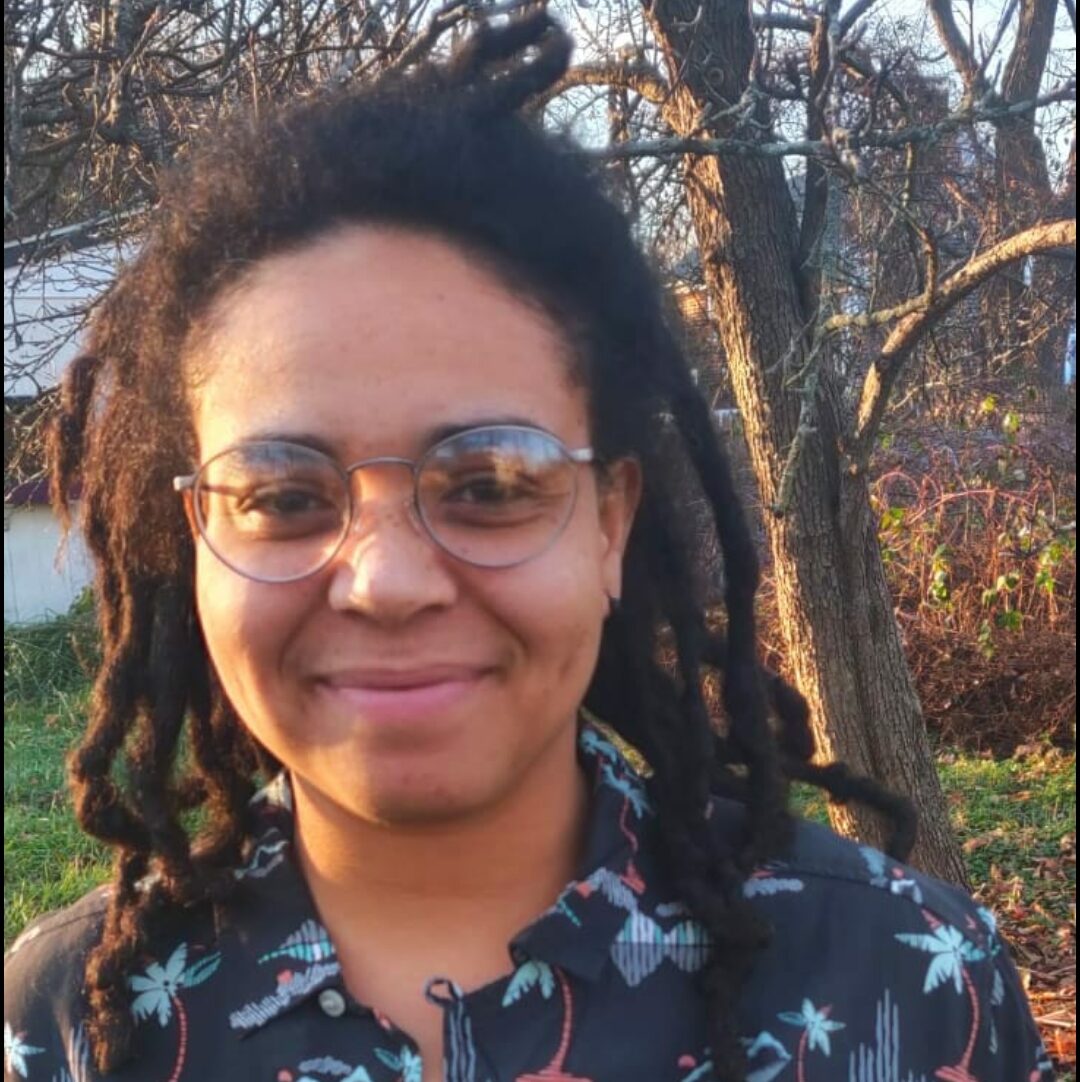
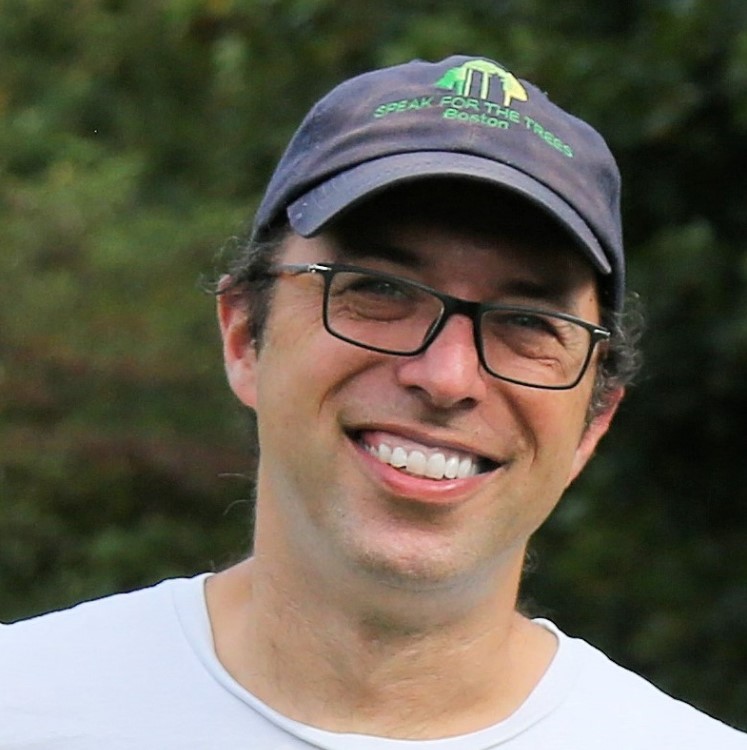 David Meshoulam, Co-founder and Executive Director, and
MarS McCormick, Associate Director
Speak for the Trees Boston
Advocating for Equity and Community Engagement in Boston’s Urban Forest
Creating meaningful change through urban forestry initiatives, Speak for the Trees Boston prioritizes equity, access, and community involvement in every aspect of their work. This session will explore their efforts to address environmental inequities by engaging diverse communities, building local partnerships, and enhancing urban green spaces as essential lifelines for city residents. Through innovative programs and advocacy, Speak for the Trees is fostering environmental stewardship, improving quality of life, and shaping a healthier, more sustainable Boston for future generations.
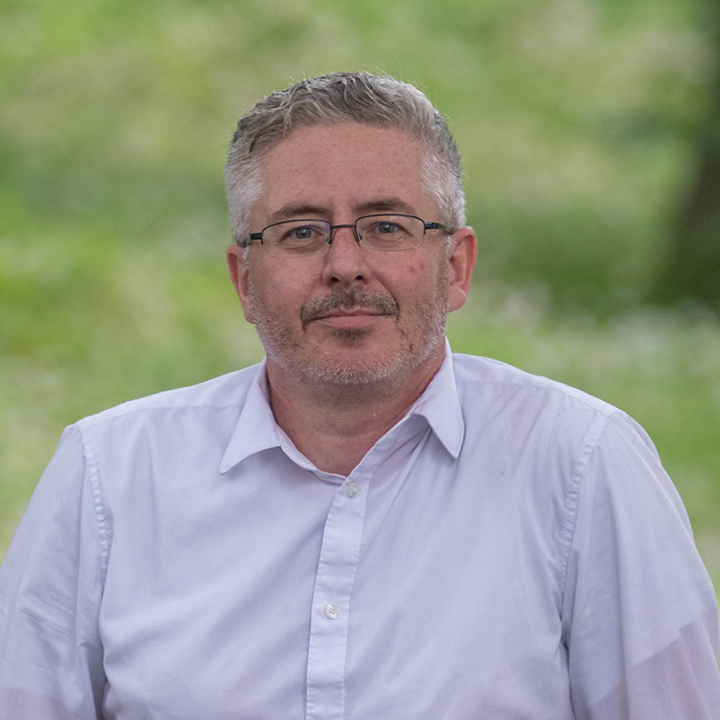

John Rogan and Deborah Martin, Professors of Geography
Clark University
Exploring Urban Tree Planting: Building Resilient and Equitable Cities through Research and Collaboration
This session delves into urban tree planting efforts in Massachusetts and Rhode Island, highlighting the vital role trees play in enhancing resilience, equity, and livability in urban areas. Drawing from years of collaborative research and on-the-ground initiatives, the talk will explore factors influencing tree health and survivorship, including community engagement, environmental conditions, and stakeholder practices. Attendees will gain insights into challenges, successes, and actionable strategies for fostering green spaces that act as lifelines for cities, improving quality of life and addressing climate impacts.
Robert Graham, Land Steward
New England Botanic Garden at Tower Hill
Planting Trees of Change: The Return of the Chestnut Tree
Join NEBG’s horticulturist and land steward, Robert Graham, as he shares the inspiring story of the American chestnut tree’s revival and its role in our landscapes. Learn about current restoration efforts, and examples of American Chestnut restoration efforts based in urban settings. Gain insights into the ecological significance of this iconic species and explore how planting these trees can foster a more resilient and sustainable future.
-
Certified Arborist – 4.75
-
BCMA – Management – 4.75
-
Massachusetts Certified Horticulturist (MCH) – 1.0