Historic Timeline
New England Botanic Garden at Tower Hill is owned and operated by the nonprofit Worcester County Horticultural Society (WCHS), one of the oldest active societies of its kind in the country. Founded in 1842, WCHS grew to be a cornerstone institution for the region. For decades, from its downtown Worcester headquarters, the Society held exhibitions that celebrated Worcester County’s thriving agricultural community. By the 1940s, however, the large country estates that supported such shows began to diminish and exhibit entries declined. In response, WCHS set out to cultivate its own gardens. The vision of a permanent botanic garden for the public to enjoy grew.
1986-1991
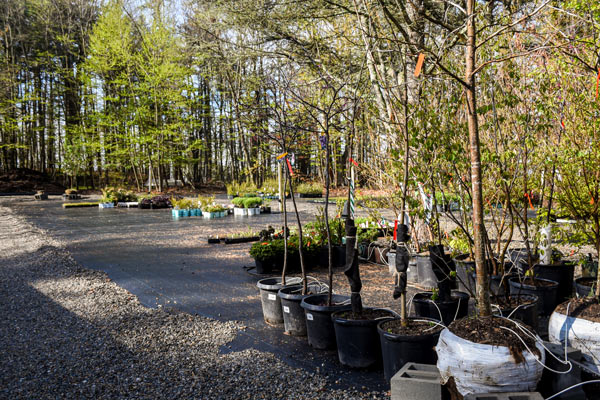
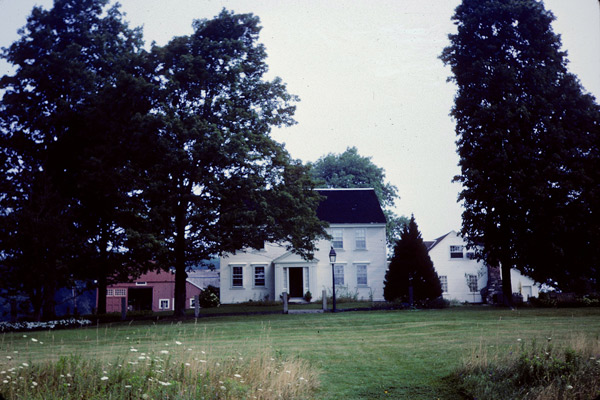
The Worcester County Horticultural Society purchases the 132-acre Tower Hill Farm (pictured). The Garden’s founding members and earliest supporters share a common desire to create a public botanic garden that would inspire generations to come. They envision gardens that exemplify diverse designs, traditions, and uses. In the first five years, the Secret Garden and Lawn Garden open, the Harrington Orchard is dedicated, and the first of many weddings takes place.

1992-1997
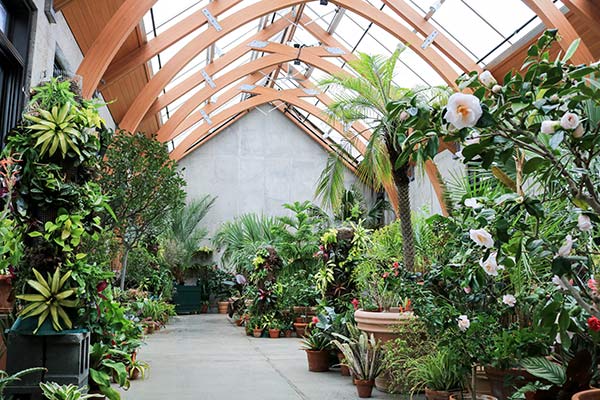
The first oak is planted on Pliny’s Allée. The Stoddard Education and Visitors Center opens, establishing a dedicated space for visitor experiences to grow. During this time, the organization breaks ground on the Orangerie, a 14,000 square foot addition that includes a conservatory housing a collection of subtropical plants (pictured). With the opening of this space, the Garden becomes a destination for year-round enjoyment.

1998-2003
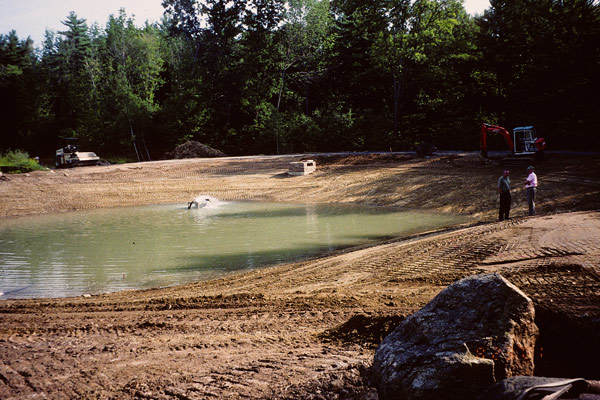
Educational opportunities expand with the addition of new formal and naturalistic garden spaces. The Inner Park and Hope H. Spear Wildlife Refuge Pond are built to celebrate the beauty and ecological value of native plants. Construction of the Pond (pictured) includes 2,000 native herbaceous and woody plants that create habitat for a diverse array of wildlife from insects and birds to reptiles and mammals—even otters!

2004-2009
The Garden continues to grow as a horticultural resource for the region. In response to the devastation caused by Asian Long Horn Beetles, the Garden joins the Worcester Tree Initiative, a collaborative effort launched by the State of Massachusetts to replant 30,000 trees across areas of Worcester most affected by the infestation.

2010-2015
The Winter Garden and Limonaia, the Garden’s second conservatory for subtropical plants (pictured), open to the public. The Garden begins hosting field trips for every second-grade class within the Worcester Public School district as part of the Culture LEAP initiative. Construction on The Court: A Garden Within Reach takes place. Designed for universal accessibility, The Court features raised beds, living walls, and planters that allow people of all abilities the chance to explore plants through multi-sensory experiences.

2016-2021
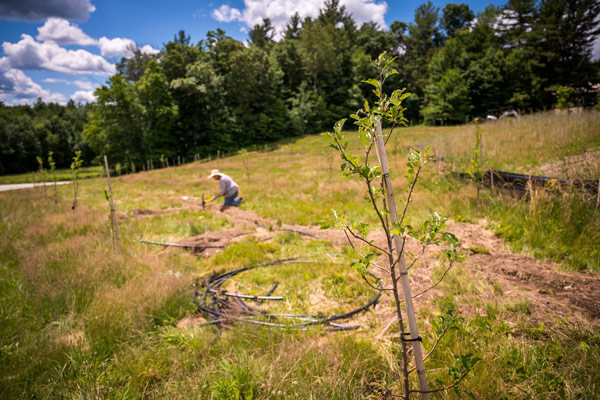
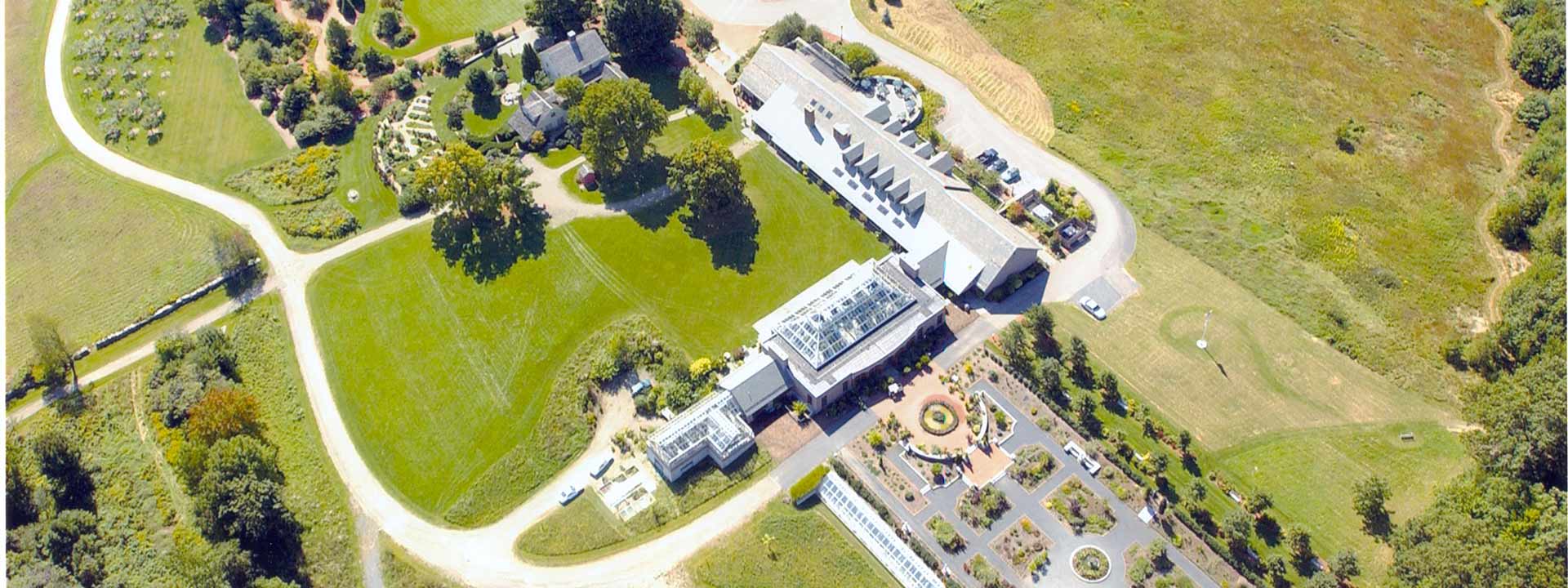
Growing Boldly, a $28 million dollar capital campaign launches to support projects that make the Garden more accessible and resilient, including a universally designed entry way and expanded parking lot. Land acquisitions help the Garden protect adjacent woodlands and wetlands. Restoration of the Harrington Orchard, a multi-year project preserving the Garden’s historic collection of heirloom apples, begins.

2022–Present
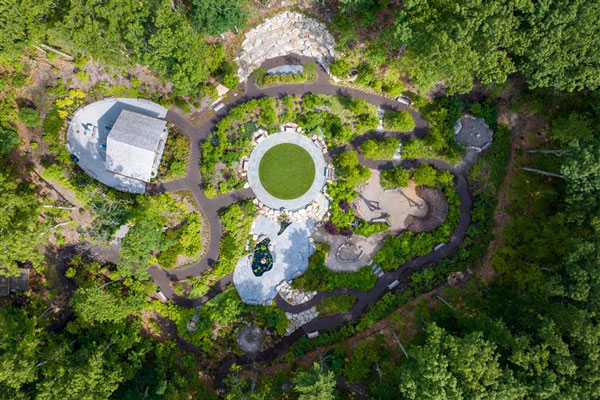
The Garden continues to grow its mission, footprint, and role in the community, announcing its name change from “Tower Hill Botanic Garden” to “New England Botanic Garden at Tower Hill.” The Ramble (pictured) and the Climate Garden open. Both spaces expand opportunities for visitors, community groups, and schools to experience the Garden as an outdoor classroom. The Garden earns national recognition: First botanic garden in the country to be certified by the American Green Zone Alliance for efforts to decarbonize horticulture operations; “Top Botanic Garden in the U.S.” by Travel Awaits; and USA TODAY 10BEST Readers’ Choice Award for Best Botanical Garden Holiday Lights.