Fall Experiences

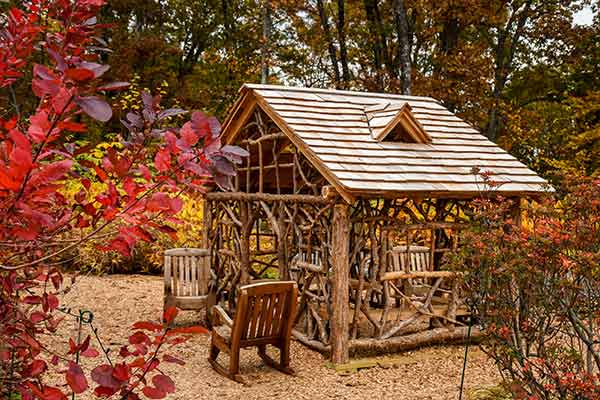
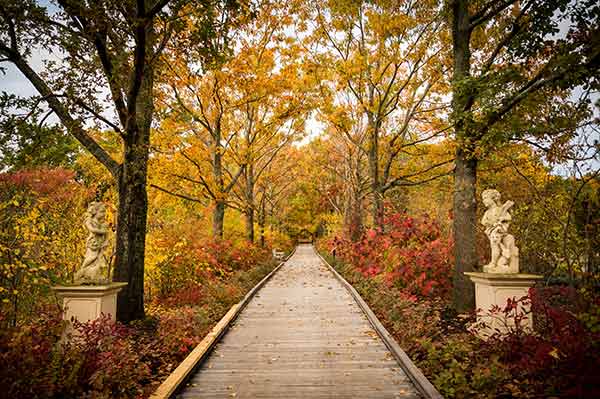
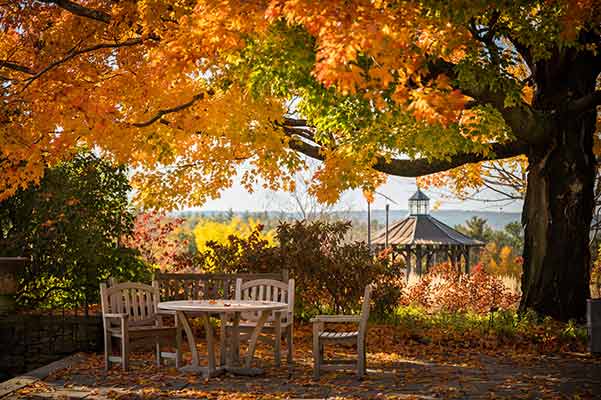
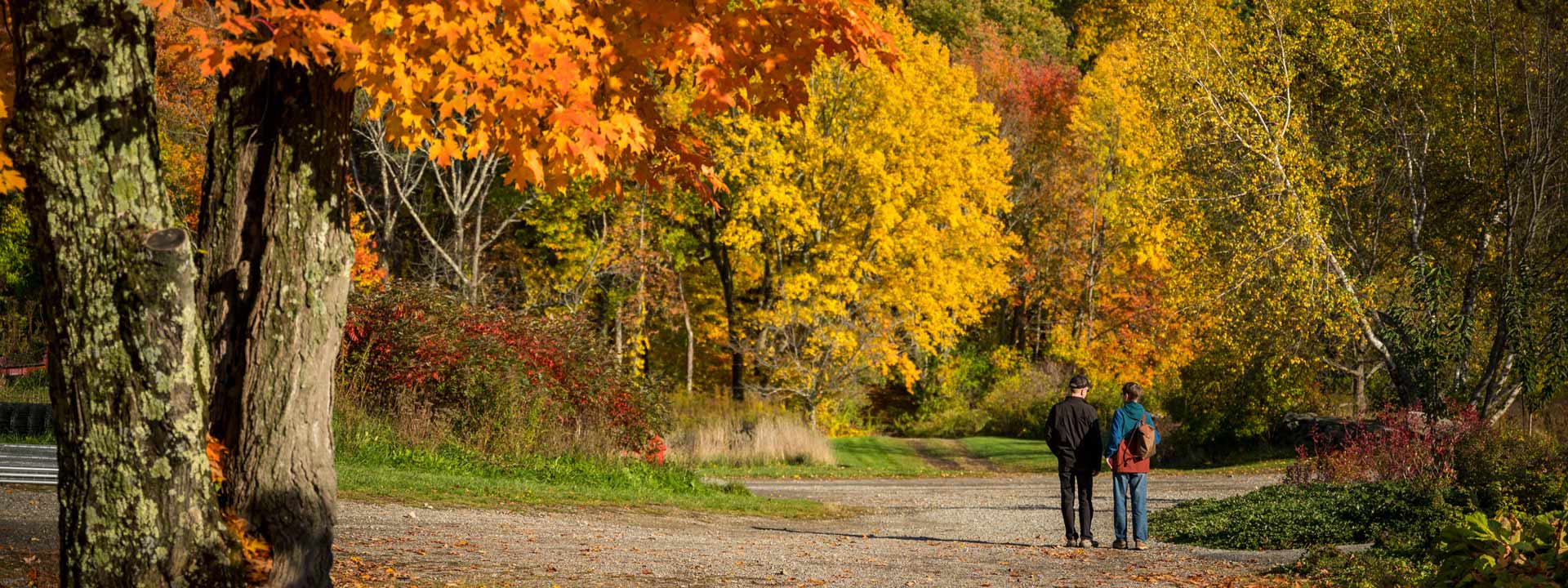
New England Botanic Garden is a must-see destination for fall foliage. One of nature’s most impressive transformations unfolds. From the moment you arrive, views of Wachusett Reservoir surrounded by autumnal color greet you. Once you enter the Garden, the formal and naturalistic garden spaces showcase an abundance of fall interest. Some good spots for leaf-peeping and photo-taking include Pliny’s Allée, with its rows of fothergilla, oakleaf hydrangea, witch hazel, and towering oaks. Venture deeper towards the Wildlife Refuge Pond and explore a diverse palette of native shrubs and trees capturing all the shades of autumn. And, of course, a stroll through the Inner Park reminds us there is no place as peaceful as woods in the fall. Plus, all season long, enjoy arts, culture, learning, dining, and shopping experiences that are full of autumn flavor. 

THINGS TO DO

FAIRIES AGLOW
Select Fridays & Saturdays,
September 19 – October 23, 2026

On select evenings this fall, discover a magical world filled with fairies and folklore as The Ramble is transformed with dazzling light displays, illuminated fairy houses, and enchanting activities. *Advanced registration required.


WEEKEND OF WONDER
Saturday, October 10 – Monday, October 12, 2026

Join us for a weekend full of whimsy this autumn and enjoy a fairyland artisan vendor market, magical crafts, workshops, and entertainment for all ages. *Included with general admission.


FAERIE MASQUERADE BALL (18+)
Saturday, October 24, 2026

Step into the realm of the fae and lose yourself in an evening of music, magic, and botanical wonder. *This event is sold out.


AMERICAN CRAFT FAIR
Saturday & Sunday, October 17 & 18, 2026

Held in collaboration with the Worcester Center for Crafts, the 10th annual American Craft Fair features over 35 of the region’s finest makers in a celebration of artisanal excellence. *Included with general admission.


PLANT SHOWS & SALES

Learn from expert growers while enjoying dazzling plant displays, unusual plants for sale, lectures, demos, and more. *Included with general admission.

  • Buxton Branch of the American Begonia Society and the New England Chapter of the Gesneriad Society Show & Sale
    Saturday, September 19 & Sunday, September 20, 2026
  • New England Dahlia Society Show & Sale
    Saturday, September 26 & Sunday, September 27, 2026
  • New England Carnivorous Plant Society Show & Sale
    Saturday, October 3 & Sunday, October 4, 2026
  • Garden Club Federation of Massachusetts Show
    Friday, October 23, Saturday, October 24, & Sunday, October 25, 2026

GARDEN DINING SERIES

Indulge your palate with special dining experiences that honor plants, local agricultural, and the craft of cooking. *Advanced registration required.

  • Botanica Nocturne
    Monday, October 26, 2026
  • Dinner by Dazzle
    Monday, December 14, 2026

Learn more about Special Events.

FAIRY HOLLOW 
August 29 – October 25, 2026

Discover a miniature world where magic blooms around every corner. The fairies return to The Ramble in a one-of-a-kind exhibit featuring more than 20 intricately designed fairy houses expertly crafted by artists from New England and beyond. From cozy mushroom cottages to enchanting seashell palaces, this collection of creative abodes will delight visitors of all ages. Magic awaits in Fairy Hollow. All you need is your imagination—and a little bit of fairy dust.


GLASS IN FLIGHT
May 16 – November 1, 2026

Step into a world of color and wonder with Glass in Flight. This unforgettable exhibition features 30 larger-than-life stained-glass and steel sculptures expertly crafted by artist Alex Heveri. Encounter giant hummingbirds, butterflies, dragonflies, beetles, and more as they shimmer in the sunlight, soar overhead, pose in midair, or hide among the blooms. Blending brilliant color, light, and scale, Glass in Flight celebrates these charismatic creatures and their environmental significance. Discover their hidden secrets like never before. 


GNOMEVEMBER
November 1–30, 2026

Explore the whimsical world of our garden gnomes! Visiting from near and far, our sneaky gnomes have taken up residence in some of their favorite spots around the Garden. Created by talented local artists, each gnome has a unique personality and a story waiting to be discovered.


TIMELESS: Floral Landscapes by Suzan Osborn
July 18 – October 12, 2026

Local artist Suzan Osborn returns this summer with a captivating new collection of oil paintings inspired by her time spent at the Garden. Her luminous floral landscapes celebrate the color, movement, and quiet beauty of New England Botanic Garden, offering fresh perspectives on familiar spaces and blooms. Rendered in Osborn’s warm, expressive style, each painting invites you to step into scenes shaped by nature and brought vividly to life on canvas.


DEEPLY ROOTED, An Exhibit Celebrating 40 Years of New England Botanic Garden
May 2 – October 12, 2026

This special anniversary exhibit brings the Garden’s story to life—from its visionary beginnings to the role it plays today as a place of connection, wonder, and inspiration. Learn about the evolution of gardens and landscapes, uncover captivating stories, and experience the lasting impact the Garden has had on people, plants, and the region it calls home. Rediscover the past and imagine the next 40 years with us. Learn more about our 40th Anniversary.

Learn more about Exhibitions here.

This fall, tap into your creativity, grow your gardening skills, nurture mind and body, and build meaningful connections—both with the natural world and with a community of fellow learners! A selection of opportunities are below, or you can learn more about our full calendar of programs for adults here 


Rotten Botany: Bizarre, Beautiful and Grotesque Plants
Wednesday, October 7, 2026

Dive into the strange side of the plant world with author Varla Ventura as she explores bizarre, beautiful, and grotesque plants from her newly released book Rotten Botany. Discover toxic blooms, eerie folklore, and the dark history rooted in plants we love to fear.


Pumpkin Fairy House Workshop
Sunday, October 11, 2026

In this enchanting hands-on class, you’ll carve your pumpkin and decorate it with natural and handcrafted materials to create a cozy little home fit for the fairies in your garden.


Trips & Tours | Sip Local: Cider & Brewery Tour
Tuesday, October 17, 2026

Go beyond the bottle with a private excursion to the Ragged Hill Cider Company, a leader in sustainable orchard management. Step behind closed doors for a rare, inside look at the cider production facility, where renowned cider expert Steve Garwood will lead an intimate discussion on heritage apple varieties and the delicate science of fermentation. Apply your new horticultural and scientific knowledge to a curated heirloom apple and cider tasting, then take home your favorites with an exclusive 10% discount.


Food & Drink

Connect with nature through fall classes and experiences that honor the role of plants in cultures of food and drink.


Health & Wellness

Breathe deep and explore the benefits of yoga, forest bathing, and other mindfulness classes enhanced by the calming beauty of the gardens.


Arts & Photography

Learn new artform, practice a craft, attend a photography workshop, and exercise those creative muscles letting nature be the muse.

An exciting lineup of nature-based learning opportunities awaits kids and families at the Garden this season. From hands-on gardening workshops to guided fairy hikes, art classes, and more, the entire family is invited to learn, explore, investigate, and have fun. Check out upcoming programs below or browse our youth & family calendar.


Fall Garden Buds (Ages 3-5)

This program practices classroom readiness skills such as taking turns, raising hands, sharing, and expressing ideas. Each week explores a different seasonally appropriate theme through stories, songs, dramatic play, and guided outdoor exploration. *Advanced registration required.


Fairy Magic Hike (Ages 3-8)

Embark on an enchanted hike through our gardens and along our trails. Create a pair of wearable paper fairy wings, explore the fairy houses that make up our Enchanted Fall exhibition, learn about the fairies that live there, explore the wonders of the fall season, and uncover the magic all around us on this guided family hike. *Advanced registration required.


Pixie Potions (Ages 7-10)
Sunday, October 12, 2026

Dive into a realm of enchantment and science as we harness fairy powers to create mystifying brews! Join us as we experiment, concoct, and cast spells to mix up magical plant potions in this hands-on workshop. Experiment with acid-base reactions and create color-changing elixirs, fizzing droughts, and plantastic potions. *Advanced registration required.


Acorn Fairies (Ages 7-12)
Sunday, October 11, 2026

Use your found treasures and other craft materials provided to design and build your own one-of-a-kind fairy dolls. Each participant will leave with two handcrafted woodland fairies. Price includes Garden admission and all materials. *Advanced registration required.


Homeschool (Ages 6-12)

A variety of homeschool programs for kids’ interests await. Learn about produce grown in the Climate Garden, or uncover the surprising science of squash and pumpkins, or dive into the world of arachnids.


Little Seedlings (Ages 1–3)

Come explore the wonderful world of plants and practice sorting, counting, observing, and more.

A fall trip to the Garden wouldn’t be complete without a visit to the Garden Shop and caféLocated in the Visitors Center, the Garden Shop features seasonal houseplants, gardening tools, books for all ages, jewelry, stationary, nature-inspired toys for children, and more. Meanwhile, the Farmer and the Fork café, open seven days a week for lunch, offers a variety of menu items prepared with fresh, locally-sourced ingredients. 

SCIENCE OF THE SEASON

Deciduous trees and shrub species grow in temperate regions across the globe. Unlike cold-loving conifers with hardy needles, deciduous trees and shrubs have tender, thin leaves that they must shed each year in order to protect themselves during the cold, dark winter season. Leaves are the busy sites of photosynthesis, the essential food-production process where energy from the sun is used to transform carbon dioxide and water into sugar and oxygen. Because water expands when it freezes, cold temperatures would cause damage to leaf cells where photosynthesis occurs if deciduous trees didn’t move into a state of seasonal leafless dormancy each year.

Decreasing daylight and colder temperatures tell trees and shrubs to prepare for winter. The plants then send sap made of water and sugar from their leaves into their root systems, essentially cutting off circulation to their leaves. In plant roots, valuable sugars can be stored until the next growing season. Learn more about deciduous trees in autumn.

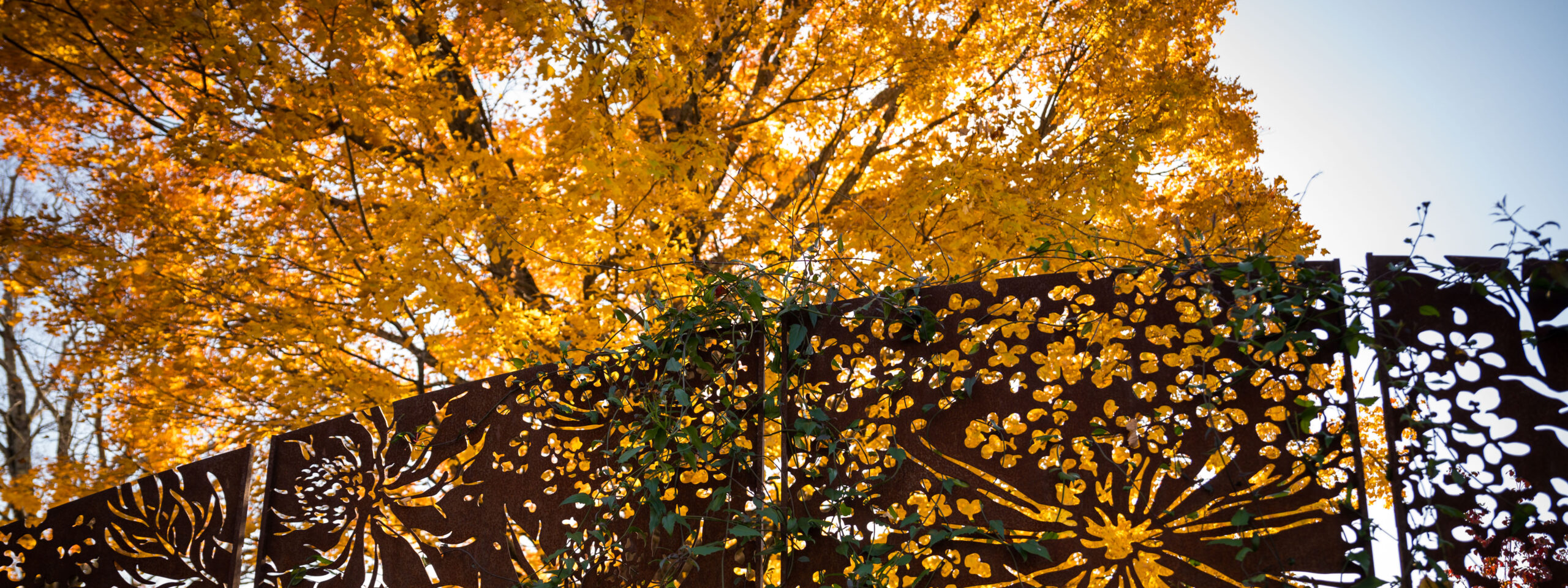
The magic of fall color is all in the science. Three key factors influence the brilliant hues we see — leaf pigments, length of night, and weather patterns. Chlorophyll, the pigment that creates green leaf color, allows plants to absorb sunlight during photosynthesis. In autumn, as daylight hours decrease and nighttime lengthens, chlorophyll breaks down, the green color disappears, and other colors within the leaf become visible.

The most commonly occurring fall color is yellow, which comes from xanthophyll. You can also find xanthophyll in dandelions, egg yolks, and bananas. Orange colors result from carotenoids, the pigment found in pumpkins, sweet potatoes, and carrots. Not all fall colors result from a pigment that originates in the leaf, however. Purples and reds come from anthocyanins, pigments that emerge through chemical reactions that occur when some sugar gets trapped in a leaf. Learn more about factors that affect leaf color.

The Northeastern region of the U.S. is one of the fastest-warming places in the world.  Exactly how this warming, a result of human-caused climate change, has and will continue to influence the ecology of our region, the weather patterns we experience, and the extreme weather events we endure is the subject of important ongoing research.

When it comes to fall foliage, experts say that climate change is making it more difficult to experience the dramatic color shows New England is known for. Temperature and moisture availability affect when color appears and the degree of vibrancy we see. Lingering warm temperatures can slow the onset of leaf color change, dry summers stress plants, and excessive rain can produce less vibant colors.

Climate change causes rapid disruptions to our natural systems. That’s why, at the Garden, we pursue sustainability initiatives aimed at reducing our reliance on gas-powered equipment, limiting paper and plastic use, and implementing a variety of ecologically friendly land management practices. Learn more about how climate change impacts New England ecology.

Visit the Garden Blog for behind-the-scenes stories, horticultural how tos, and special news from the Garden. The Garden Blog is a resource for plant lovers of all kinds!

OUR FALL FAVORITES

As you explore the Garden this season, keep a look out for these autumn stunners. 
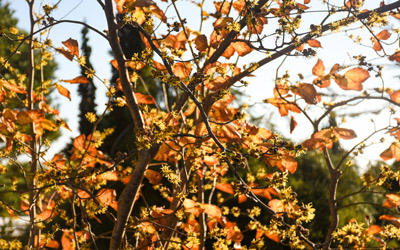
Witch hazel turns yellow, red, and orange in the fall.Hamamelis virginiana
American witch hazel is a deciduous, multi-stemmed woody shrub that grows prolifically in forests across eastern North America, as far west as Texas and Minnesota. In the fall, look for bright, wispy yellow flowers along this plant’s branches. You can see Hamamelis virginiana along Pliny’s Allee, throughout the Inner Park, and in The Ramble. Ozark witch hazel (H. Vernalis), Chinese witch hazel (H. Mollis), and several hybrid varieties are also present in The Ramble.
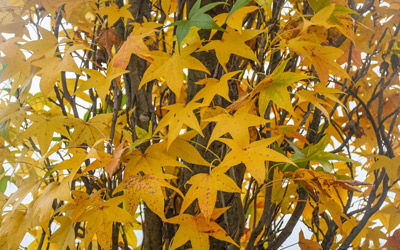
The leaves of a liquidambar change to yellow in the fall.Liquidambar styraciflua
Commonly called sweet gum, this tree puts on a show that shouldn’t be overlooked. Its leaves, like five-pointed stars, turn hues from yellow to red to purple. New England Botanic Garden sits near the very northern edge of the sweet gum tree’s native range. While a few sweet gum trees grow in the Inner Park, the best place to find them is the Lawn Garden and The Ramble.
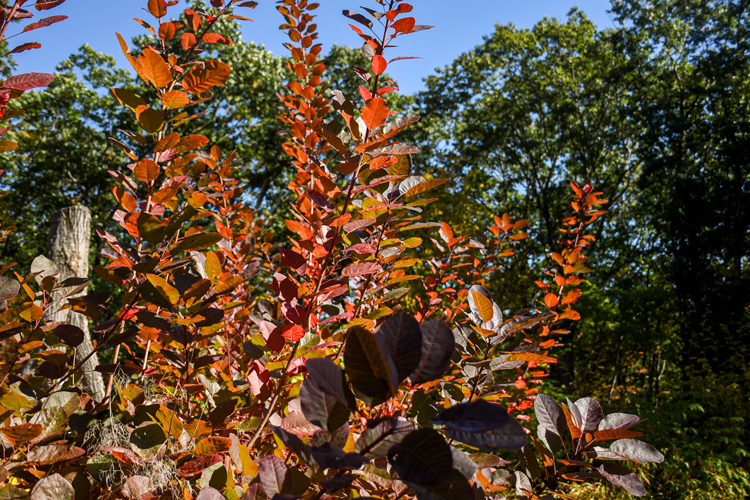
Cotinus coggygria
Native to temperate regions of Asia and Europe, smoke bush, or smoke tree as it’s commonly known, is a unique ornamental favorite for many gardeners. It produces large, feathery flowers like puffs of smoke, and its leaves are also a great source of fall color. In the Secret Garden, compare and contrast four different smoke bush cultivars including ‘Grace,’ ‘Young Lady,’ ‘Purple Smoke,’ and ‘Winecraft.’ You can also visit the Garden of Inspiration and The Ramble to enjoy the fiery fall foliage of the smoke bush.
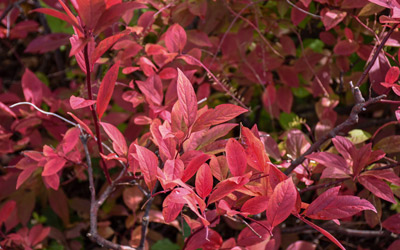
The leaves of itea change from green to a vibrant red in the fall.Itea virginica
Commonly known as Virginia sweetspire, this spreading shrub has a native range that extends across eastern North America. In early summer, tiny white flowers cluster cylindrically on drooping stems. By fall, flowers are gone and the Virginia sweetspire’s dark green leaves turn brilliant shades of emerald, ruby red, and purple. Find Itea virginica near the Garden of Inspiration on either side of the entry to Pliny’s Allée, as well as in The Ramble, the Lawn Garden, and the Entry Garden.