
CONSERVATION INITIATIVES
Botanic gardens have always been places of learning. In the age of climate change and dramatic biodiversity loss, botanic gardens are tasked with doing more when it comes to protecting natural resources, engaging in research, and inspiring environmental stewardship. New England Botanic Garden is expanding in these areas, engaging in conservation efforts that align with our strategic initiatives.
AMERICAN CHESTNUT RESTORATION PROJECT
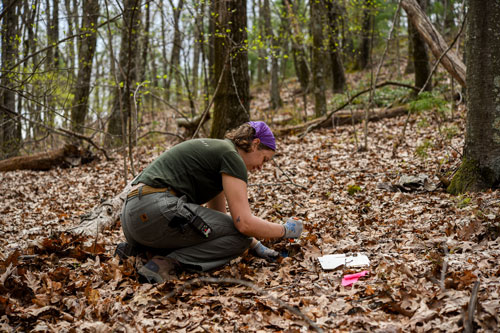
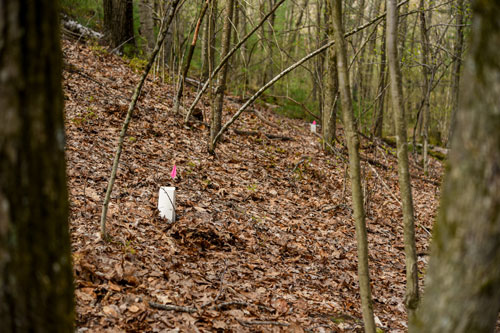
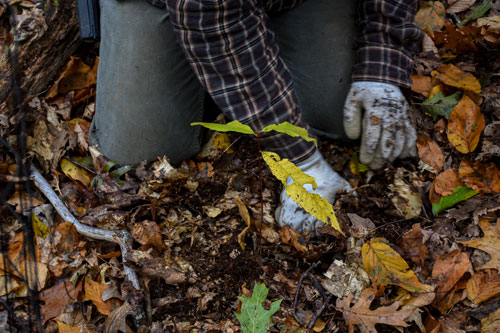
New England Botanic Garden recently became part of an American chestnut tree restoration effort that is different from many others — it utilizes 100% pure American chestnut trees (Castanea dentata) that are naturally blight resistant. These trees have not been hybridized or genetically modified for blight resistance, and they represent a unique and hopeful path forward in the still-evolving story of American chestnut restoration. Learn more about this project in our blog.
This restoration effort is led by the American Chestnut Cooperators’ Foundation (ACCF), a Virginia-based nonprofit with participating growers spanning 22 states and Canada. ACCF was chartered in 1986 by researchers who discovered a population of American chestnuts that survived the blight that wiped out more than 3.5 billion others. They believed that blight resistance could be improved by measuring resistance scientifically and carefully building it through a traditional backcross breeding program. Thanks to the tremendous success of their decades-long work, an ever-increasing percentage of their 100% American chestnut trees survive and even thrive in the best sites. New England Botanic Garden is proud to be one of these sites. The naturalistic setting where we planted 20 seedlings and direct-sowed 160 seeds was once home to mature American chestnuts. We look forward to monitoring the progress of our young trees, expanding on this conservation work, and educating the public about this important species. Explore this project.
FOSTERING WILDLIFE HABITAT
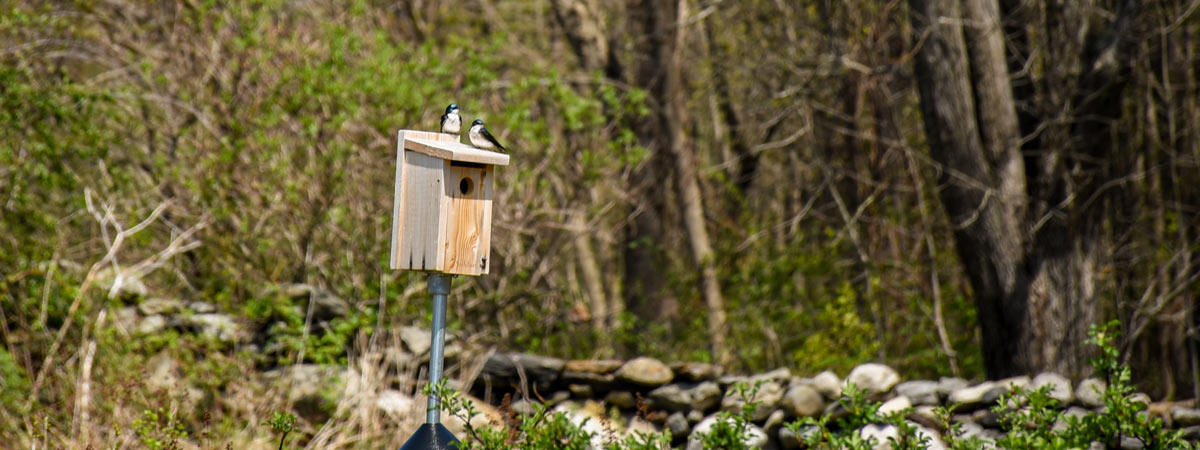
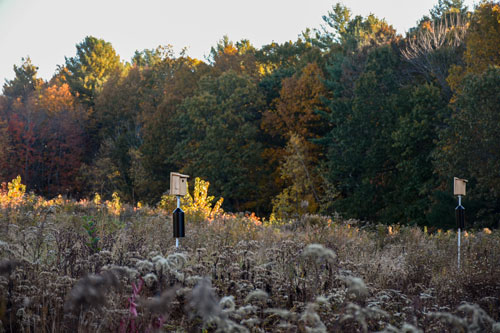
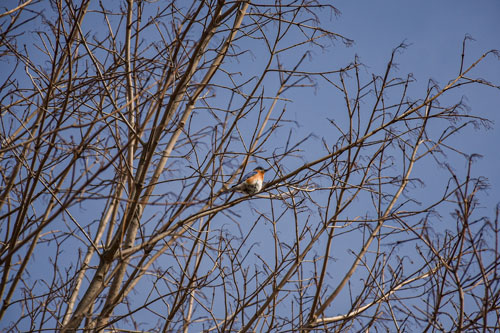
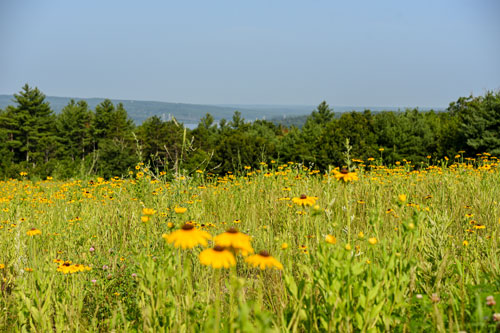
Conserving, restoring, and protecting habitat is a key factor in keeping wildlife species thriving. As changes continue to occur to the landscapes around us, it is vital, more now than ever, to support wildlife for future generations through practices that maintain natural ecosystems, promote biodiversity, and prevent the loss of species.
LAND CONSERVATION
Land conservation is one of the most important actions we can take to support biodiversity and protect natural resources. From providing habitat for native species to protecting drinking water and sequestering carbon, land conservation offers myriad benefits to people and the natural world we all enjoy.
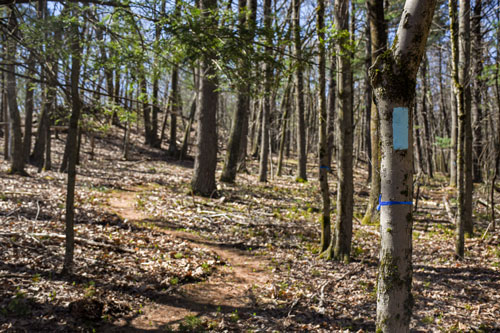
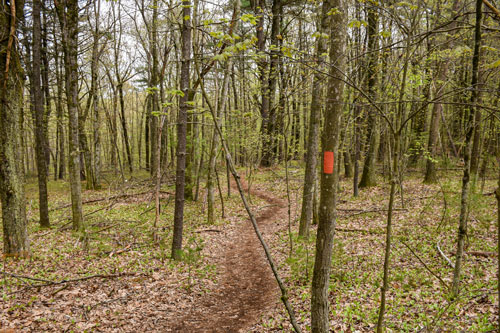
The Garden has steadily grown its footprint since its establishment, preserving open space around the core garden property. Most recently, a 14-acre adjacent parcel of wetland and wetland buffer, dubbed the Joslin Lot, was acquired in 2023. A conservation restriction protects this land from any future development, but the Garden will be able to create low-impact walking trails so visitors can experience the site and the unique habitat types found here. Learn more about this special property at our blog. While plans for the Joslin Lot trails are still in the works, other expansions to our trail system are well underway. Two new trails, the Summit Trail extension and the North Woods Trail, opened in spring 2024 giving visitors access to beautiful mixed hardwood forests.
Throughout the Garden’s trail system, visitors will find an understory of witch hazel (Hamamelis virginiana), mountain laurel (Kalmia latifolia), high and lowbush blueberry (Vaccinium corymbosum and V. angustifolium), and American chestnut (Castanea dentata) stump sprouts growing among oaks (Quercus spp.), red maple (Acer rubrum), white pine (Pinus strobus), and black and grey birches (Betula lenta, B. populifolia).
INVASIVE SPECIES MANAGEMENT
The Massachusetts Invasive Plant Advisory Group (MIPAG), defines invasive plant species as “non-native species that have spread into native or minimally managed plant systems in Massachusetts. These plants cause economic or environmental harm by developing self-sustaining populations and becoming dominant and/or disruptive to those systems.”
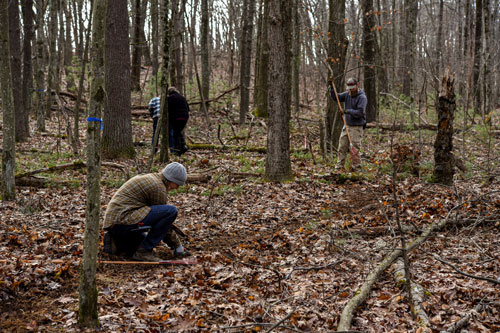
The Garden has faced a handful of invasive species over the years, and it’s tough work. That’s because the horticulture team’s primary means of controlling these invasive species is through mechanical management—this means cutting, manually pulling, and mowing. These removal techniques, carried out by staff and volunteers, cause less harm to the environment than other methods. Along with manual management, harder to control invasive plants are sometimes met with targeted pesticide applications. Cut and paint, and hack and squirt methods are the two most used by the horticulture team. All invasive plants on the property are targeted using direct applications, which allows for the smallest environmental impact.
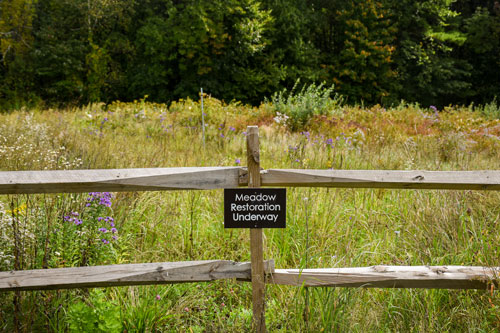
Read our blog to learn more about how ecological restoration is taking shape in our Wildlife Garden, a space where patience and dedication pays off when it comes to managing invasive species.